Introduction
In the extremely controlled food sector, agreement makers play an essential duty in bringing products to market. These firms concentrate on creating as well as product packaging food in support of various other firms, permitting brand names to focus on advertising and also circulation. Nonetheless, contract makers should navigate a complex landscape of food labeling demands to make certain compliance with Australian policies. This post provides understandings as well as guidance for agreement suppliers running in Australia, covering topics such as contract food manufacturing, food safety criteria, labeling requirements, and also more.
Contract Food Manufacturing: Fulfilling the Demand for Outsourcing
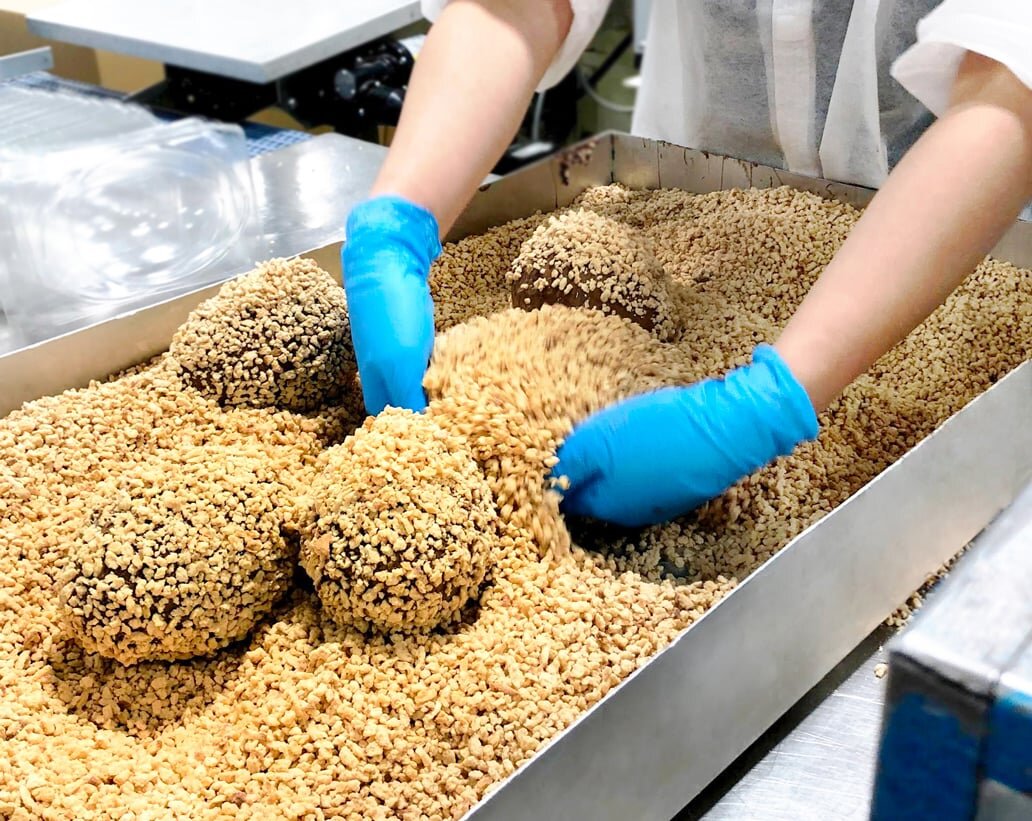
Contract food production has ended up being significantly preferred in the last few years as organizations look to outsource their production needs. This setup enables firms to utilize the know-how as well as sources of customized suppliers while concentrating on their core competencies. In Australia, contract food manufacturing is a prospering market, with companies supplying a wide variety of solutions, consisting of item development, solution, packaging, and quality control.
Understanding Food Safety and security Standards in Australia
Food safety is of extremely important relevance in the agreement manufacturing market. Contract manufacturers must comply with stringent regulations to make sure the safety and stability of the items they generate. In Australia, these requirements are established by Food Criteria Australia New Zealand (FSANZ) and implemented by state as well as area governing authorities.
The Good Production Practices (GMP) guidelines supply a structure for making certain that foodstuff are made consistently as well as fulfill high quality criteria. Agreement producers must apply durable quality control systems to comply with GMP requirements. This entails developing treatments for active ingredient sourcing, manufacturing processes, storage, dealing with, product packaging, labeling, as well as distribution.

Meeting Classifying Requirements: Trick Considerations
Accurate and informative labeling is important for making certain consumer safety and advertising transparency in the industry. Agreement suppliers need to acquaint themselves with Australian labeling demands to prevent pricey errors or prospective legal problems. Right here are some vital factors to consider when it pertains to food labeling in Australia:
1. Mandatory Tag Information
Australian food labeling regulations require particular details to be presented on item labels. This includes the item name, components listing, irritant information, nutritional information, as well as native land. Contract producers should make certain that all mandatory label information is precise as well as clearly legible.
2. Allergen Management
Allergen monitoring is a critical facet of food labeling in Australia. Agreement producers need to have durable systems in position to prevent cross-contamination and precisely state the visibility of irritants on product labels. This entails performing extensive danger evaluations, applying partition measures, and also frequently screening for irritant traces.
3. Nutritional Information
Nutritional info is an important consideration for consumers when making getting decisions. Australian food labeling legislations call for agreement producers to offer accurate and also standardized nutritional information on their products. This consists of the energy worth (calories), healthy protein material, fat web content, carbohydrate content, as well as any type of other relevant nutrient information.
4. Country of Origin Labeling
Country of origin labeling is one more demand that agreement makers have to comply with in Australia. This entails clearly suggesting the country or countries where the item was made or grown. The Australian Competition and also Customer Commission (ACCC) contract food manufacturer provides standards on how to satisfy country of origin labeling requirements.
5. Health Claims and Marketing Messages
Contract makers must additionally be aware of the policies bordering health insurance claims as well as advertising messages on food tags. In Australia, any type of claims made about the health and wellness advantages or residential or commercial properties of an item must be supported by scientific proof as well as follow particular guidelines established by FSANZ.
FAQs: Usual Questions About Food Labeling Demands in Australia
What are the effects of non-compliance with food labeling requirements in Australia? Non-compliance with food labeling requirements can cause legal fines, including penalties or item remembers. It can likewise damage a brand name's reputation and also erode consumer trust.

Are there certain labeling demands for health food products in Australia? Yes, organic food products have additional labeling demands in Australia. They must be accredited by an identified organic certifier and show the relevant certification logo.
Can contract makers assist with item advancement and also formula? Yes, lots of contract producers offer product development and also formula services. They can help in producing custom-made formulations that satisfy particular nutritional or nutritional requirements.
What is the duty of agreement producers in making certain food safety? Agreement producers are responsible for applying durable food safety and security systems, including GMP guidelines, to make certain the safety and security and also honesty of the items they produce.
Are there any exemptions to food labeling requirements for small companies? Small businesses may be qualified for certain exceptions or simplified labeling requirements. However, it is important to speak with regulative authorities or seek legal guidance to figure out eligibility.
How can acquire manufacturers remain upgraded on adjustments to food labeling laws? Agreement manufacturers need to frequently keep an eye on updates from FSANZ as well as various other regulative bodies. They can additionally engage with industry organizations and also participate in pertinent workshops or workshops to remain informed.
Conclusion
Navigating food labeling requirements in Australia is a complicated job for agreement makers. Conformity with laws is essential to make sure customer safety and preserve count on the marketplace. By understanding the crucial factors to consider outlined in this short article, agreement suppliers can browse the regulatory landscape successfully while providing top notch items that satisfy industry requirements. Partnering with experienced professionals who concentrate on food labeling and also compliance can further enhance an agreement maker's capacity to meet these demands successfully.